


For a healthy person, it is sensible to account moderately for increased energy needs, but it is particularly important for someone with insulin-deficient diabetes, whose blood glucose may drop considerably during exercise. A small, controlled addition of carbohydrates before exercise helps maintain energy and keep blood glucose at a good level.
Ilkka Aahos is a specialist in general practice who, in his current position since January 2020, has focused mainly on treating patients with diabetes.
Nina Väisänen is a diabetes nurse who has spent her entire professional career in nursing. For a little over three years, she has worked as a diabetes nurse, mainly caring for people with type 1 diabetes and people with type 2 diabetes on multiple daily insulin injections. Nina herself has also had type 1 diabetes since the age of 10.
Why are carbohydrates and exercise important for someone with diabetes?
Carbohydrates are the body’s main source of energy. They are needed particularly for the functioning of the brain and muscles. When you eat carbohydrates, they are converted in the body into glucose, or blood sugar.
Blood glucose normally stays within a fairly narrow range. It rises after eating and falls, for example, during exercise. In a healthy person, blood glucose is usually around 4–6 mmol/l and reaches a peak of around 8–10 mmol/l after a meal.
This provides a useful point of comparison: even fairly small changes in blood glucose are significant for the body. For someone with diabetes, both excessively low and excessively high levels can therefore quickly affect energy and performance.
Glucose enters the blood mainly from food, but the liver can also release it from its stores when needed – during exercise, for example. If there are not enough carbohydrates available, the body can also produce glucose from other substances, such as proteins and fats.
Insulin helps glucose move from the blood into the body’s cells, particularly the muscles. Exercise makes muscles more sensitive to insulin, allowing glucose to be used more efficiently. This is one important reason why exercise is particularly beneficial for people with diabetes.
The brain is an exception: it obtains the energy it needs from the bloodstream without insulin.
What is important to bear in mind during exercise?
The body needs quite a lot of energy throughout the day, even when physical activity is not very high. Mental work uses energy too. Exercise is important for the body’s well-being, and it increases energy needs.
For a healthy person, it is sensible to account moderately for increased energy needs, but it is particularly important for someone with insulin-deficient diabetes, whose blood glucose may drop considerably during exercise. A small, controlled addition of carbohydrates before exercise helps maintain energy and keep blood glucose at a good level.
A healthy person’s body can regulate blood glucose balance precisely. If blood glucose starts falling, insulin secretion decreases. The situation is different, however, for someone with diabetes who uses insulin. Injected insulin can no longer be removed, so people try to anticipate the effects of activity, such as exercise, a major cleaning session or breastfeeding, on blood glucose by reducing the amount of rapid-acting insulin. No matter how well you plan ahead, unexpected hypoglycaemia can still strike without warning.
Why is it important for someone with diabetes to manage the amount and type of carbohydrates? Does the type of carbohydrate you take before exercise matter?
Slowly absorbed carbohydrates are a good choice if you can prepare for exercise about 1–3 hours in advance. This gives blood glucose time to rise steadily and releases energy for use over a longer period.
Quickly absorbed carbohydrates, on the other hand, start having an effect in around 5–15 minutes and become available to the body rapidly. They therefore suit situations where blood glucose needs to be raised just before or during exercise.
After exercise, it is worth eating a variety of carbohydrates and protein to support recovery.
People with diabetes, like those who are generally healthy, should favour a varied diet that includes foods such as wholegrain products, whose carbohydrates are absorbed more steadily. Adequate protein intake is also important, as it helps slow carbohydrate absorption and supports a feeling of fullness, for example at night and before exercise. Balanced carbohydrate intake also helps with weight management.
Carbohydrate absorption in practice
Not all carbohydrates affect blood glucose in the same way. Some raise it quickly, others more slowly.
The speed depends on the form of the carbohydrate. Glucose is absorbed directly into the bloodstream and raises blood glucose quickly. Fructose (fruit sugar) and galactose, by contrast, must first be processed in the liver before they turn into glucose. This is why they raise blood glucose more slowly.
Ordinary sugar, for example, contains both glucose and fructose. Its effect is therefore slightly slower than that of pure glucose, but still fairly quick.
In practice, this means:
- glucose → fast effect (within minutes)
- ordinary sugar → fairly quick
- fructose-heavy sources → slower effect
Does it make any difference whether you eat 10 grams of carbohydrates from ordinary sweets or Jollos Energy Chews?
When some of the carbohydrate consumed comes as fructose, not all the absorbed sugars raise blood glucose at the same time. The effect of fructose comes with a slight delay, making the overall rise in blood glucose a little steadier. Ultimately, the blood glucose response is almost the same as with an equivalent amount of glucose, so this difference in absorption does not need to be taken into account separately when dosing insulin.
In Jollos Energy Chews, the 2:1 ratio of glucose to fructose means that a third of the effect on blood glucose comes with a slight delay, and the overall response is steadier than after 10 grams of glucose.
Patient experiences:
Anyone who has ever experienced the symptoms of low blood glucose knows that it can feel awful. You feel weak, your heart races, you sweat, shake, feel hungry and become irritable. You do everything you can to feel better as quickly as possible, and often end up treating low blood glucose with too much carbohydrate. Treating low blood glucose in a controlled way is something you have to learn, and it is easier said than done.
The effect of Jollos is clearly visible on glucose sensor graphs. A moderate correction of 10 g of carbohydrate for low blood glucose is often a sufficient response. After very vigorous exercise, a slightly larger dose may sometimes be needed, in which case you can take two Jollos Energy Chews, or 20 g of carbohydrate. A moderate correction also helps prevent hypoglycaemia, or low blood glucose, from being followed by hyperglycaemia, or high blood glucose.
We have heard positive feedback from our patients that Jollos is easy to carry and quickly relieves the symptoms of low blood glucose. We often recommend that a patient try the response to Jollos when their blood glucose is at a good level, so they can see how much just one Energy Chew raises it. This builds confidence in treating low blood glucose when they know and can see that 10 grams often brings their blood glucose back to the target level.
Exercise and blood glucose
During exercise, the muscles in particular need energy. Blood flow to the muscles increases, while blood flow to areas such as the intestines decreases. As a result, slowly absorbed carbohydrates consumed during exercise are clearly too slow to produce a response. The speed of absorption often affects how much carbohydrate is taken as a precaution; with quickly absorbed carbohydrates, you need to eat or drink less.
Insulin is needed during exercise too, so that glucose can move from the bloodstream into muscle tissue. Exercise also activates hormones that counteract insulin and raise blood glucose levels. In someone with insulin-deficient diabetes, the effect of glucagon typically diminishes after the first five years of the condition, but adrenaline continues to act. This is why a fall in blood glucose during exercise should be corrected moderately, whether the person is generally healthy or has diabetes.
Portioning carbohydrates during exercise
Carbohydrates consumed during exercise can cause stomach symptoms if absorption is slow or incomplete. A quickly absorbed product therefore produces a more gut-friendly response.
When the serving size is also a suitable 10 grams and standardised to be the same every time, managing blood glucose is easy. There is no need to think and calculate – you simply take the product you know.
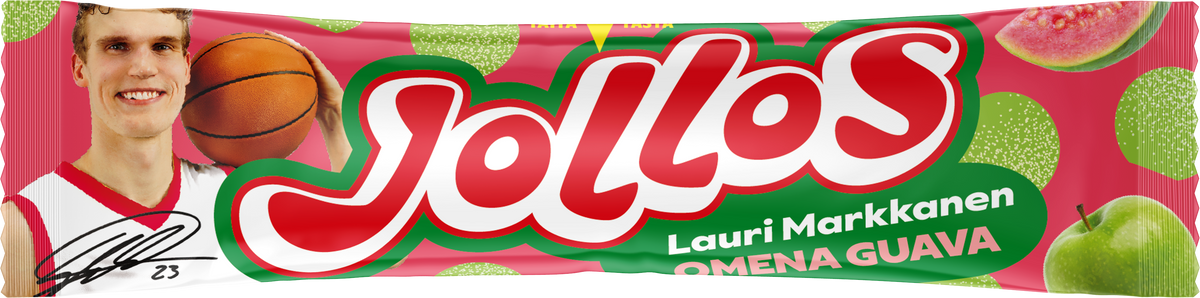
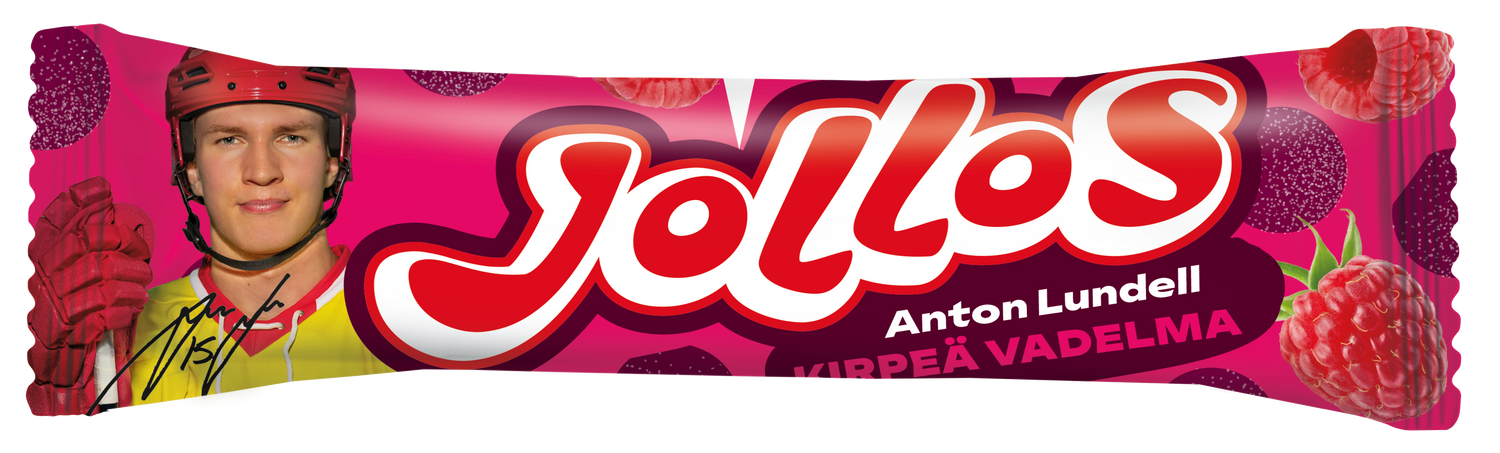
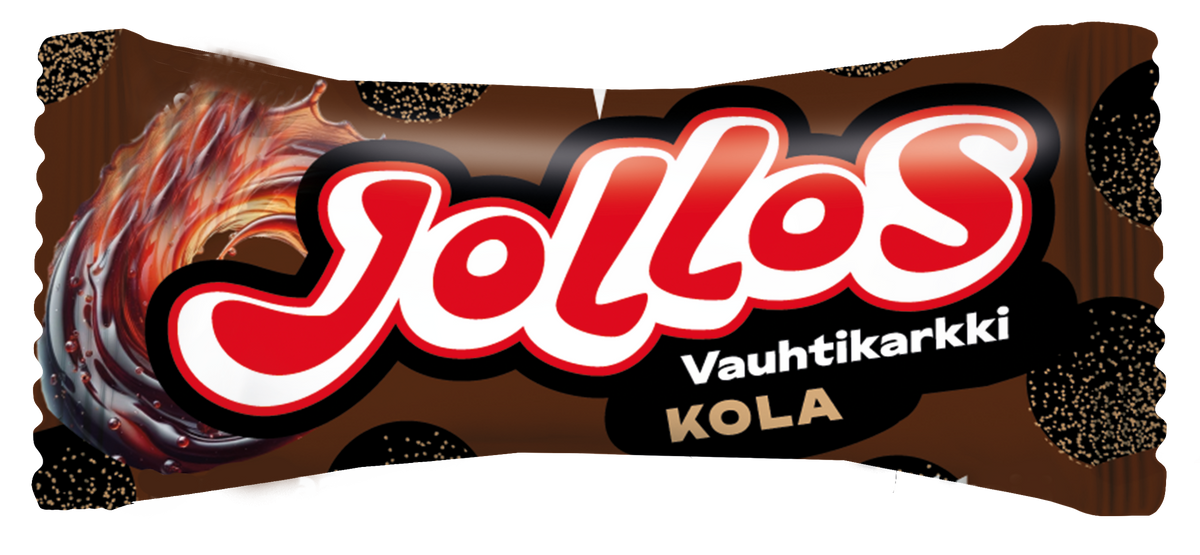
In this respect, Jollos Energy Chews work brilliantly. They always provide the same amount of carbohydrate, a third of which takes effect a little more slowly, smoothing the response even though it is absorbed just as quickly.
The nurse’s comment: Patients feel they get energy effectively in an easy-to-consume and delicious form. Jollos is easy to keep with you on the go, for example in the car, in a training bag or in a pocket during a walk. The variety of flavours makes it easier to find a favourite.
Jollos Energy Chews – product features in practice
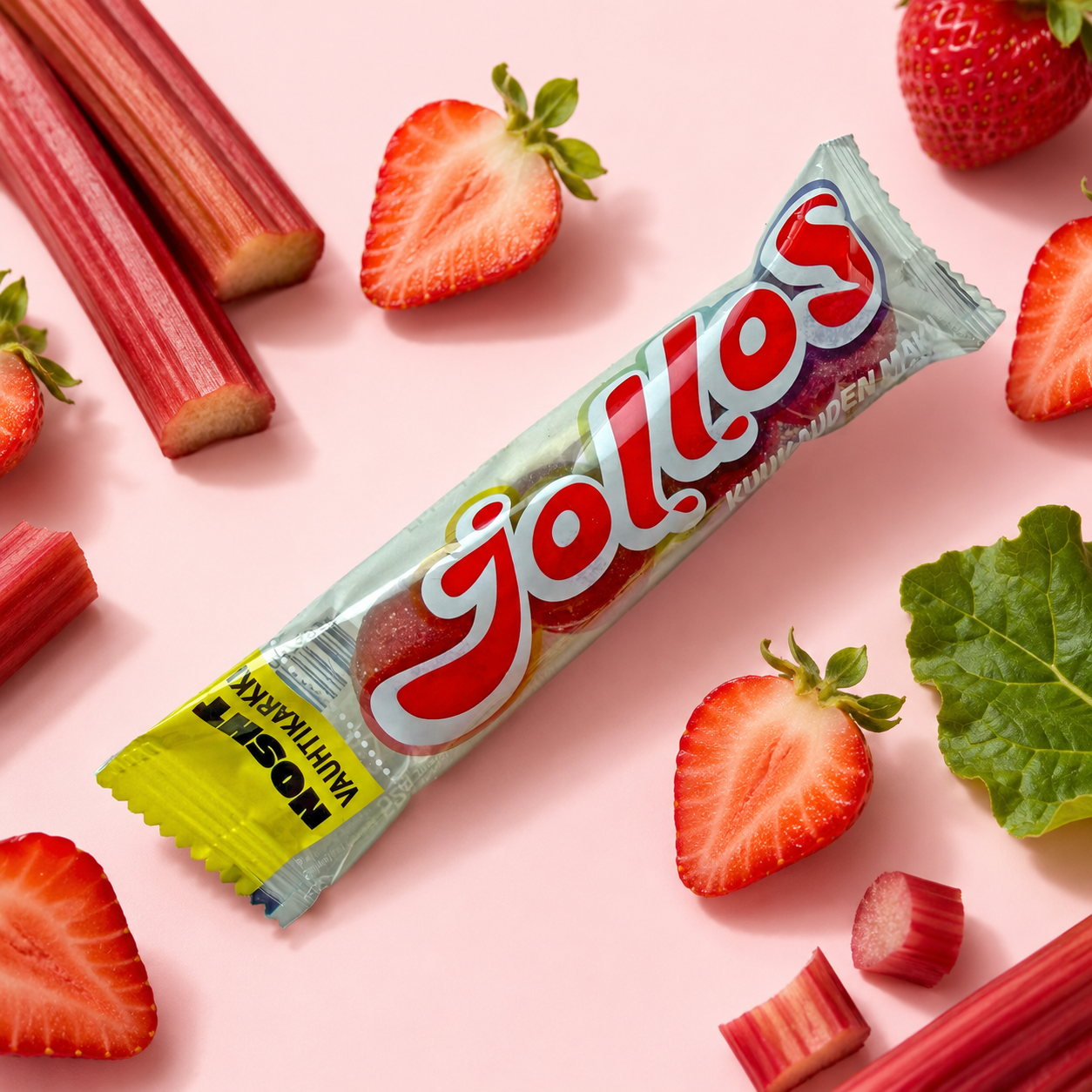
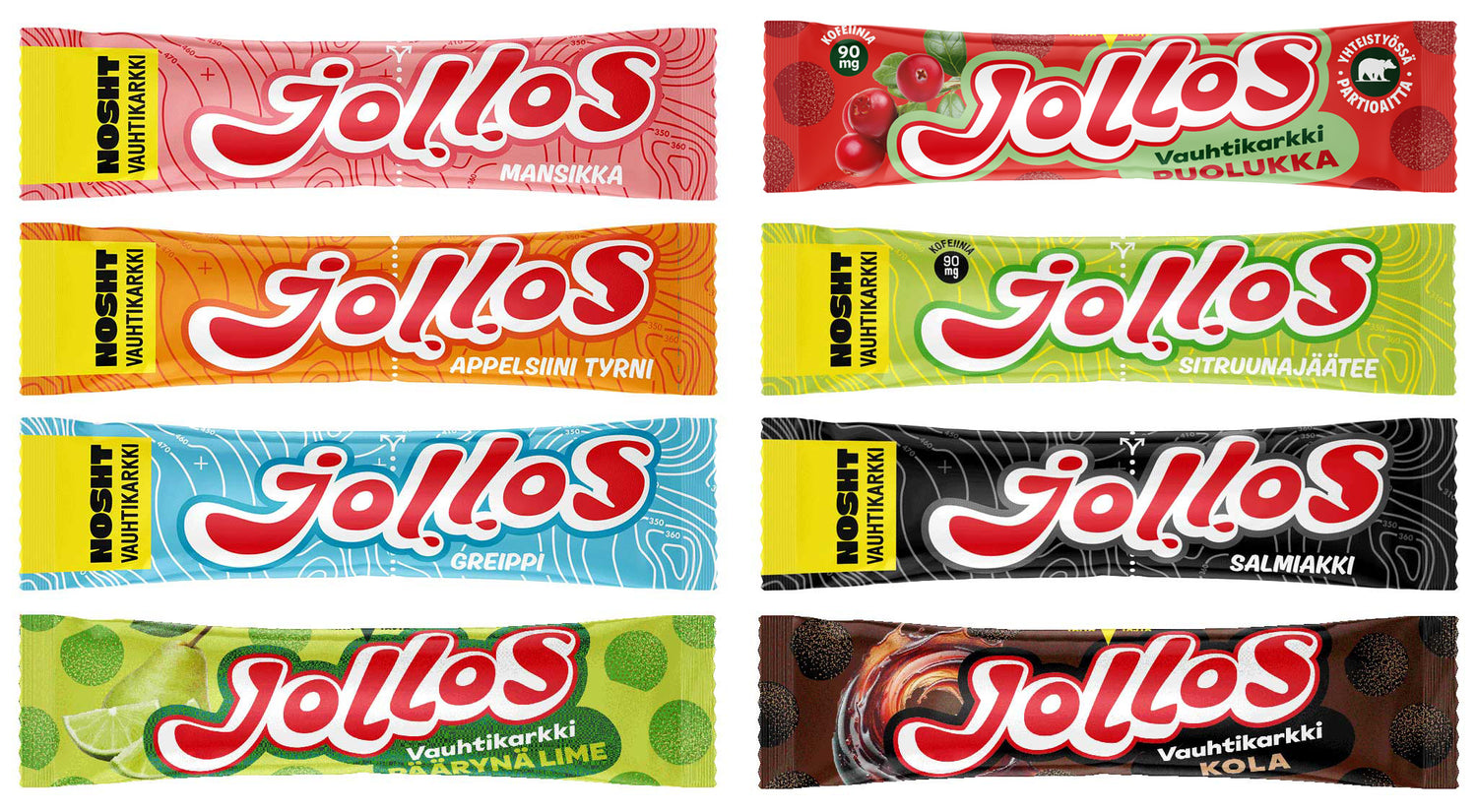
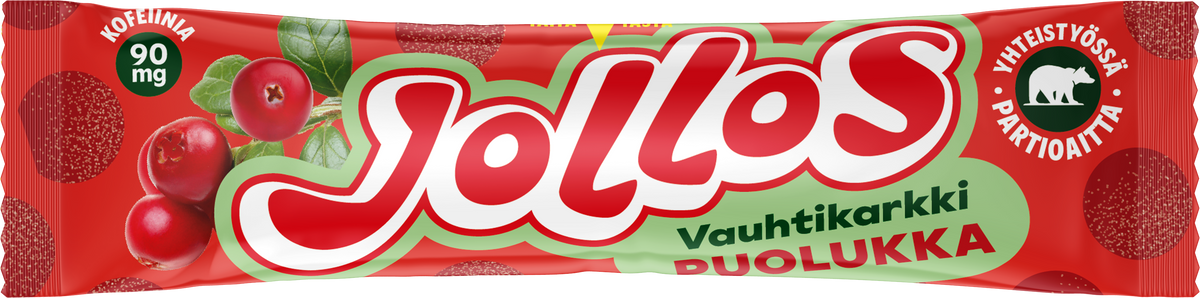
Jollos Energy Chews are easy to recommend because of their quick and steady response. Many people with diabetes are familiar with glucose tablets, of which you would need to chew 4–5 to get 10 grams of carbohydrate. The taste does not always receive unreserved praise either. Jollos offers plenty of flavour options.
Nina: "Above all, it is important to us that everyday life with diabetes runs smoothly for the patient. One pack of Jollos contains a total of 40 g of carbohydrates, so the patient is effectively carrying a meal’s worth of carbohydrates. It is reassuring that low blood glucose can be corrected quickly, easily and safely. Low blood glucose may also alter the sense of taste. What suits one person may not always suit another. That is why we discuss these matters with our patients every day, with the aim of finding a suitable approach to self-care for each individual. A person with diabetes should discuss ways to manage blood glucose and their self-care with their own treating doctor and diabetes nurse."
Jollos Energy Chews – product information
Carbohydrate amount per piece (~10 g), glucose + fructose 2:1, a pinch of sea salt.