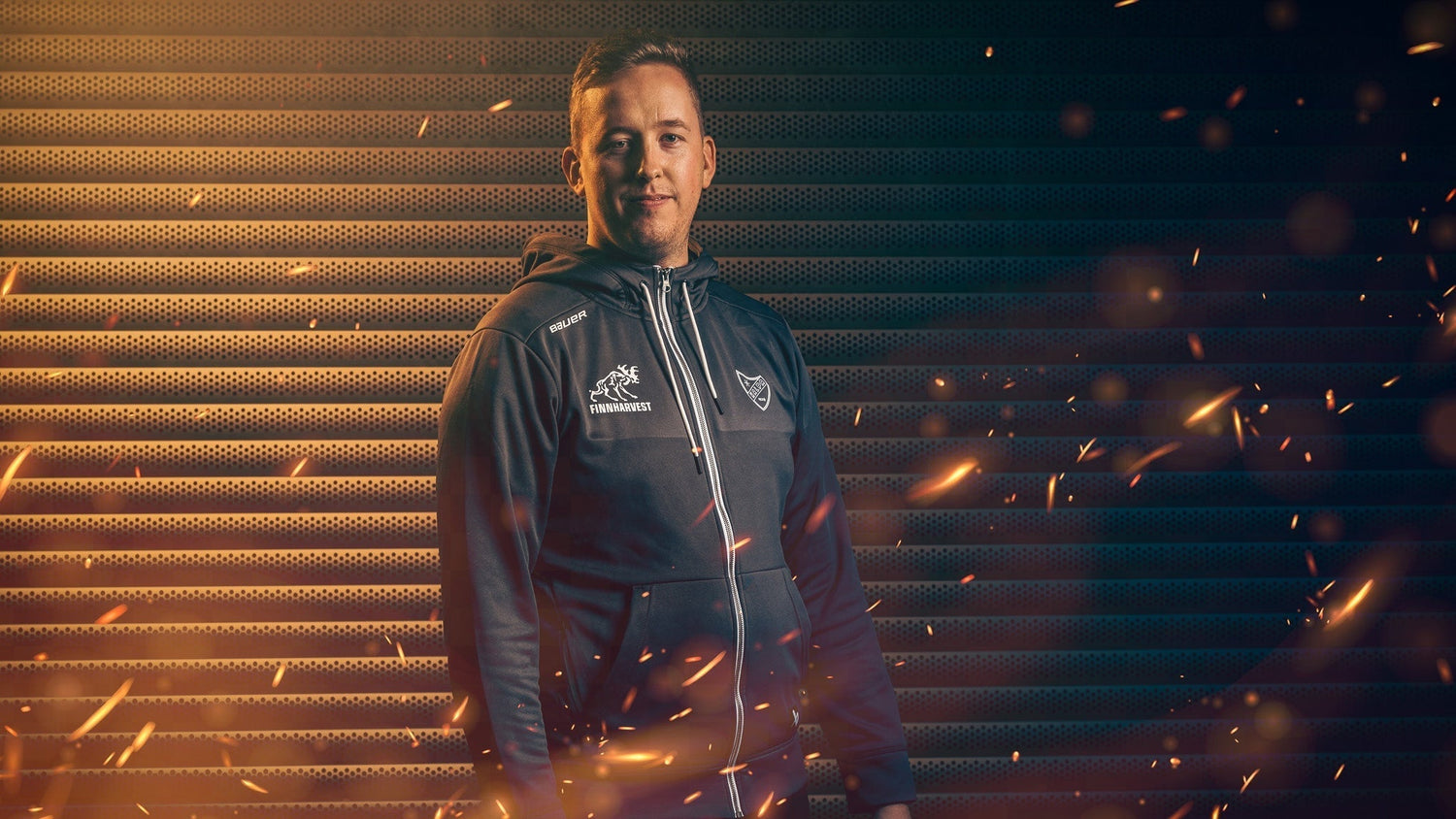
In elite sport, performance is not created on the ice alone. Behind it is a whole in which training, recovery, nutrition and load management go hand in hand. KalPa physiotherapist Teemu Nivala explains how these aspects appear in the team’s everyday life – and the role nutrition plays in supporting players’ performance.
Background and role
Q: What is your role in nutrition or physical preparation at KalPa?
A: I am KalPa’s physiotherapist. I work alongside another physiotherapist, Jussi Huttunen, and Sami Kaartinen is responsible for strength and conditioning.
My main responsibility is rehabilitating injured players and planning their training as part of the rehabilitation programme. With healthy players, the focus is on programming and optimising training at an individual level. Testing physical attributes is also a central part of a sports physiotherapist’s everyday work.
A physiotherapist’s core areas include promoting well-being and health, managing pain and preventing injuries. These themes cannot be separated from performance, recovery or nutrition. I have studied nutrition to some extent alongside my physiotherapy training, but not to the extent that I would be responsible for players’ overall nutrition. When needed, we draw on the expertise of a local dietitian.
Q: How does the team view the importance of nutrition for performance and recovery?
A: Sport and athleticism are central values at our club, which is why we continuously develop load management, recovery and the use of data to monitor them.
Nowadays, recovery is sometimes made unnecessarily complicated: there is an endless range of methods and device-based treatments available. Our foundation is clear — nutrition and sleep. When these are in order and load management works, you are already in a strong position.
Daily nutrition and hydration
Q: What are the cornerstones of KalPa players’ nutrition and hydration? How do you plan energy intake around training, matches and travel days?
A: Last year, we worked with a dietitian to make plans particularly for snacks, hydration and post-match nutrition. The aim was to maintain performance during congested match schedules and particularly in the playoffs.
We also encourage players — particularly younger ones — to take an interest in nutrition themselves. Up to a point, we can do things for them, but ultimately the responsibility lies with the professional athlete. Our job is to make sure that quality snacks and easy-to-use hydration options are available.
Energy intake during training and matches
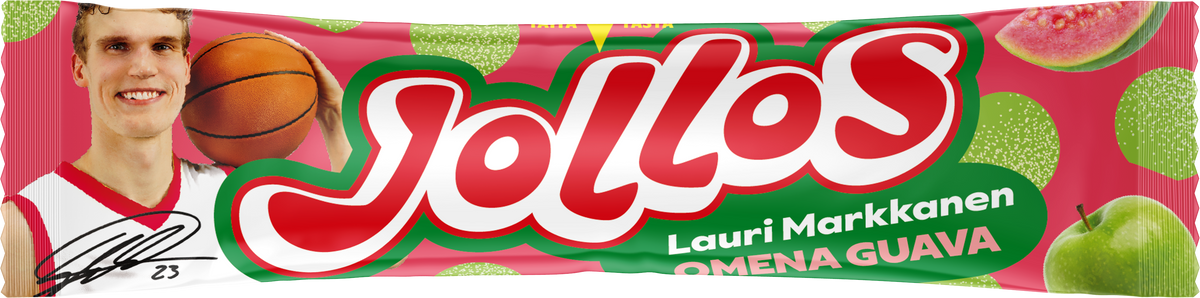
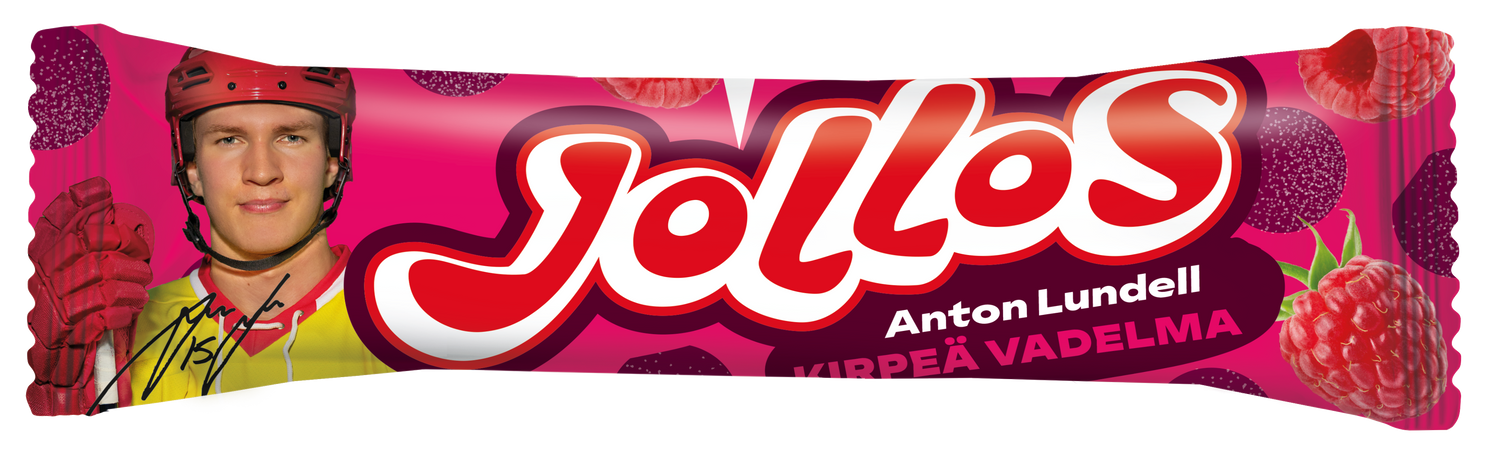
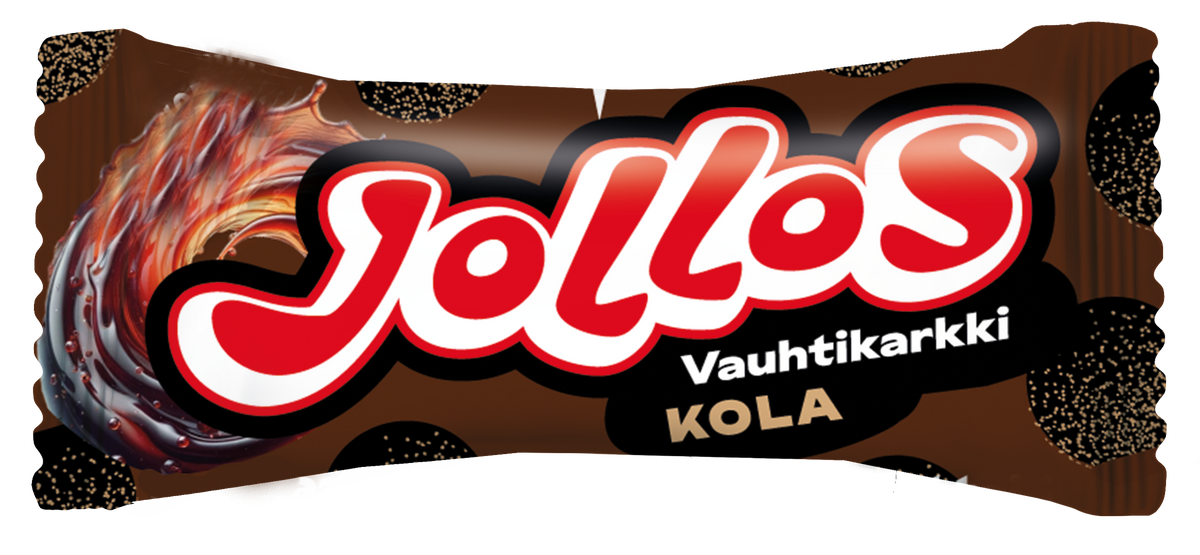
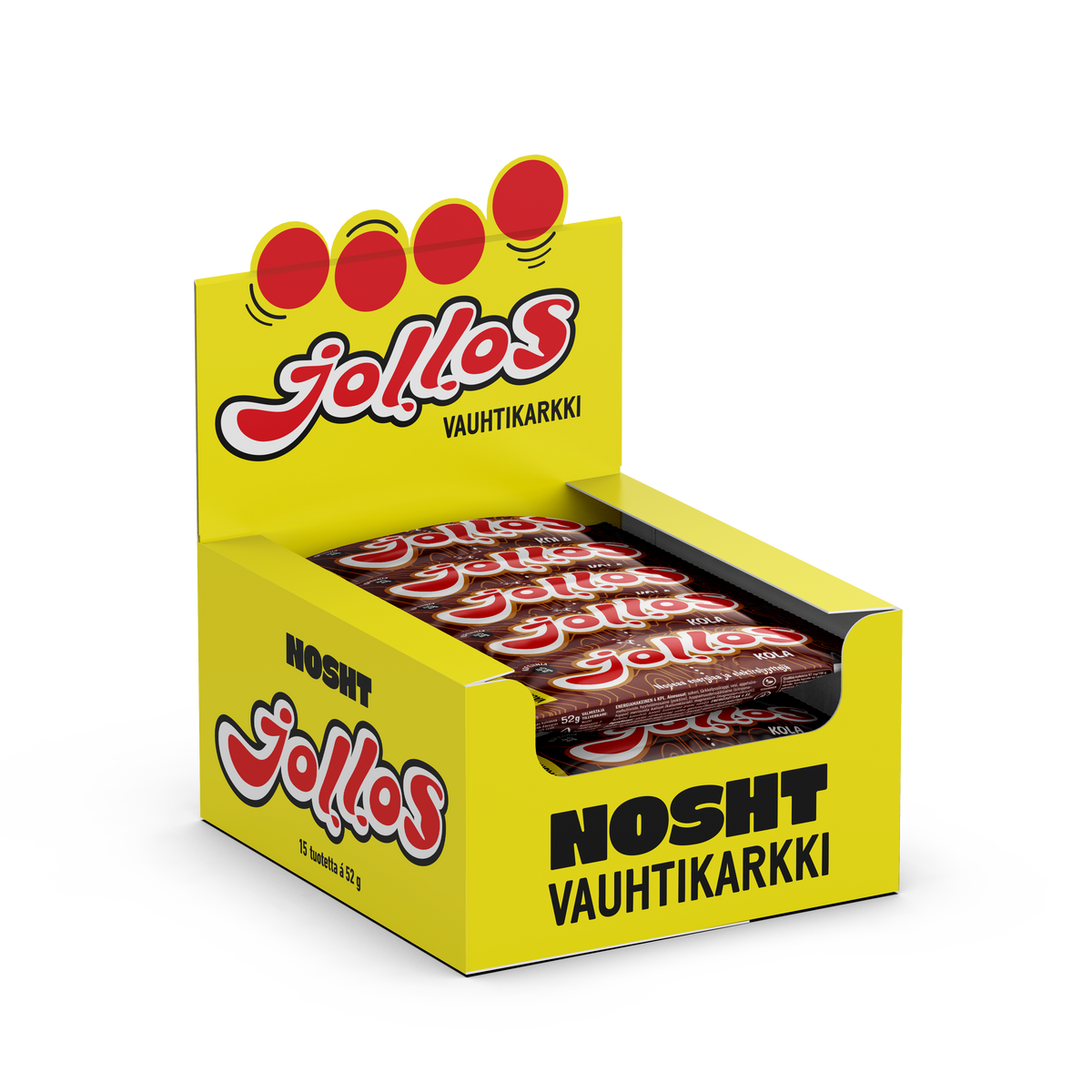
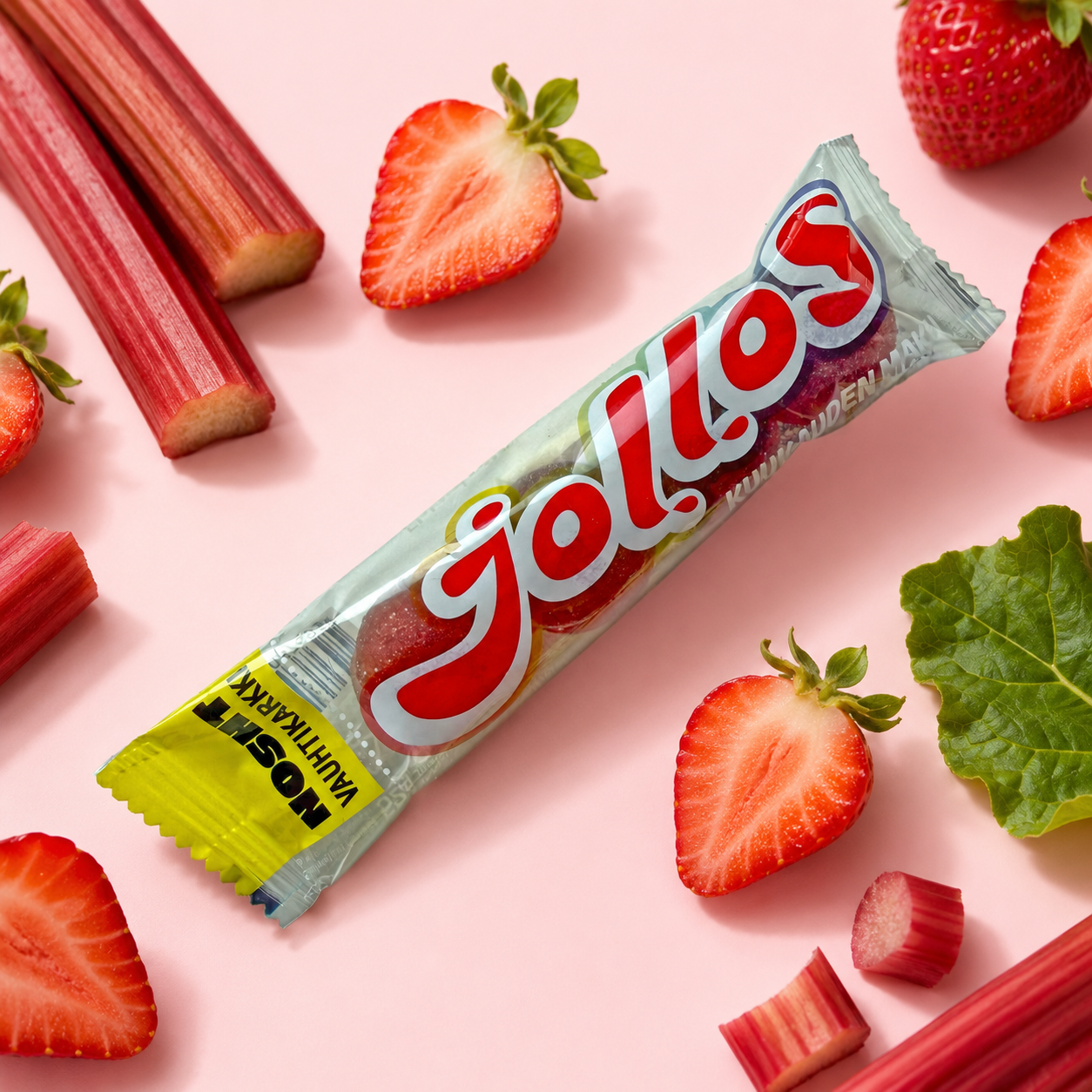
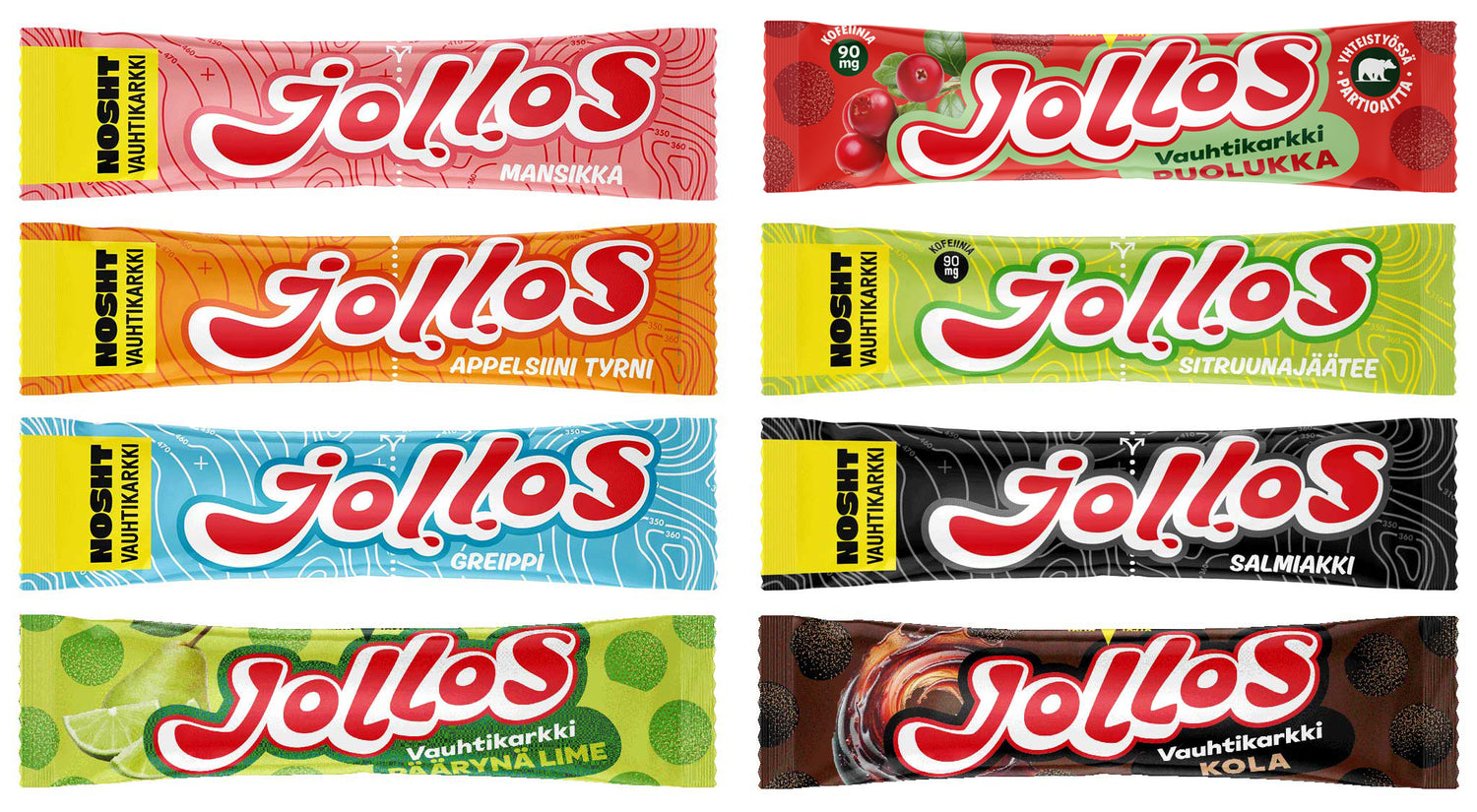
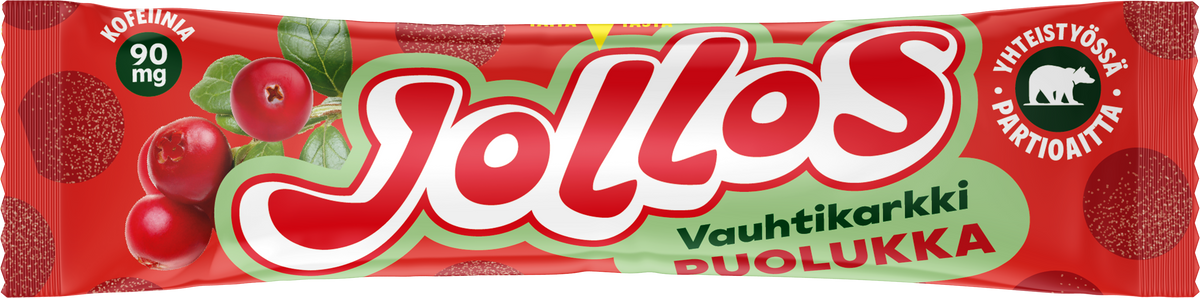
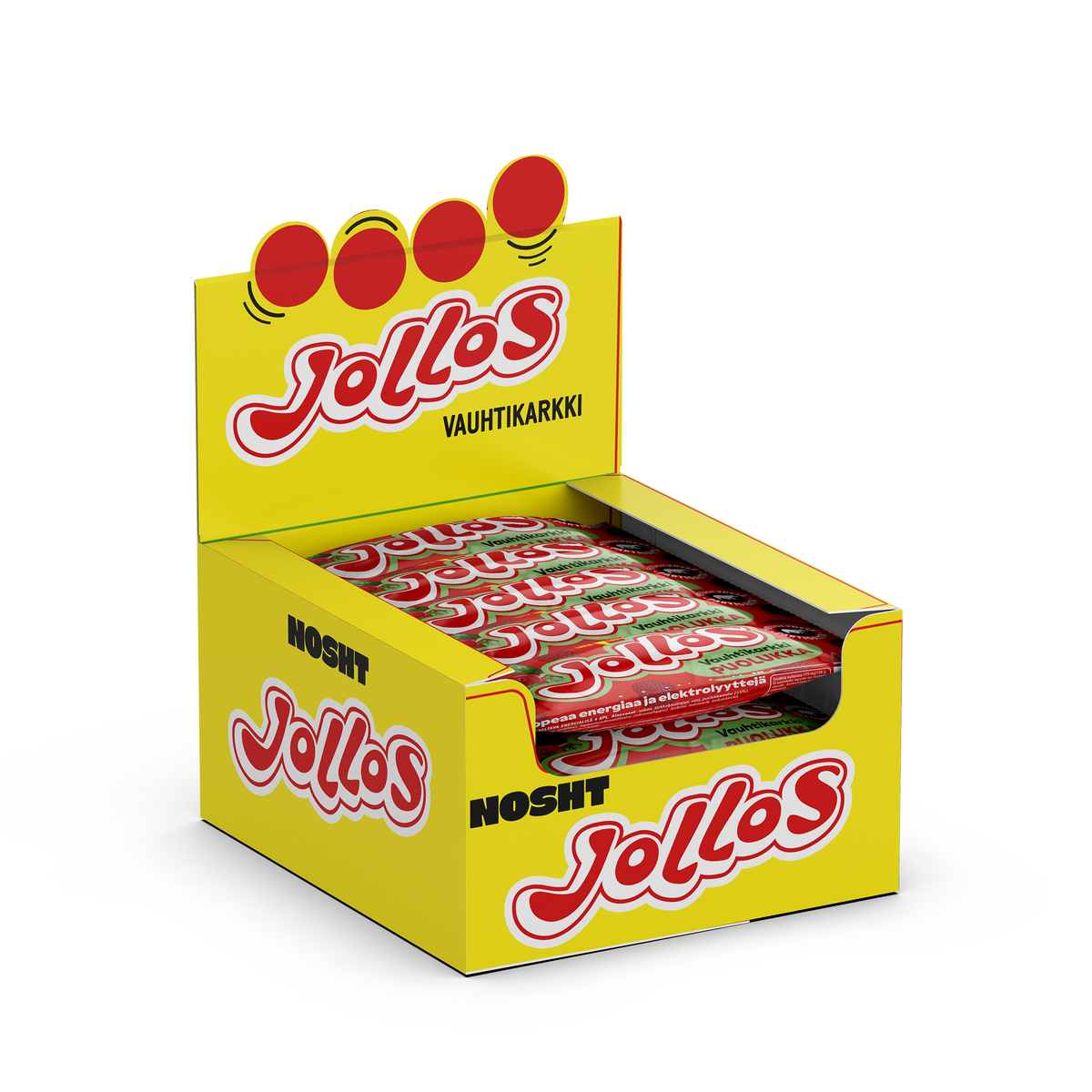
Q: Nosht’s Jollos Energy Chews provide quick energy in an easy-to-eat form.
In what situations do you use products like these — in training, matches or recovery?
How important is it that a product is gentle on the stomach and tastes good during intense match situations?
A: Eating during intense sport is often difficult: the body is working hard, and you do not feel like eating. That is why small, easy-to-eat, energy-rich bites are important. Not everyone likes the texture of traditional gels, so products such as Jollos have been an excellent addition for us.
Jollos is used particularly on training and match days. Players take them after off-ice training, before ice practice, and also during ice practice. Consumption is highest in matches — particularly between periods.
Stress, especially during congested match schedules, affects gut function. That is why gut friendliness matters. We have had good experiences, particularly with players who have dietary restrictions or a tendency towards stomach problems.
Hydration and energy balance
Q: How do you choose the composition of sports drinks — carbohydrates and electrolytes?
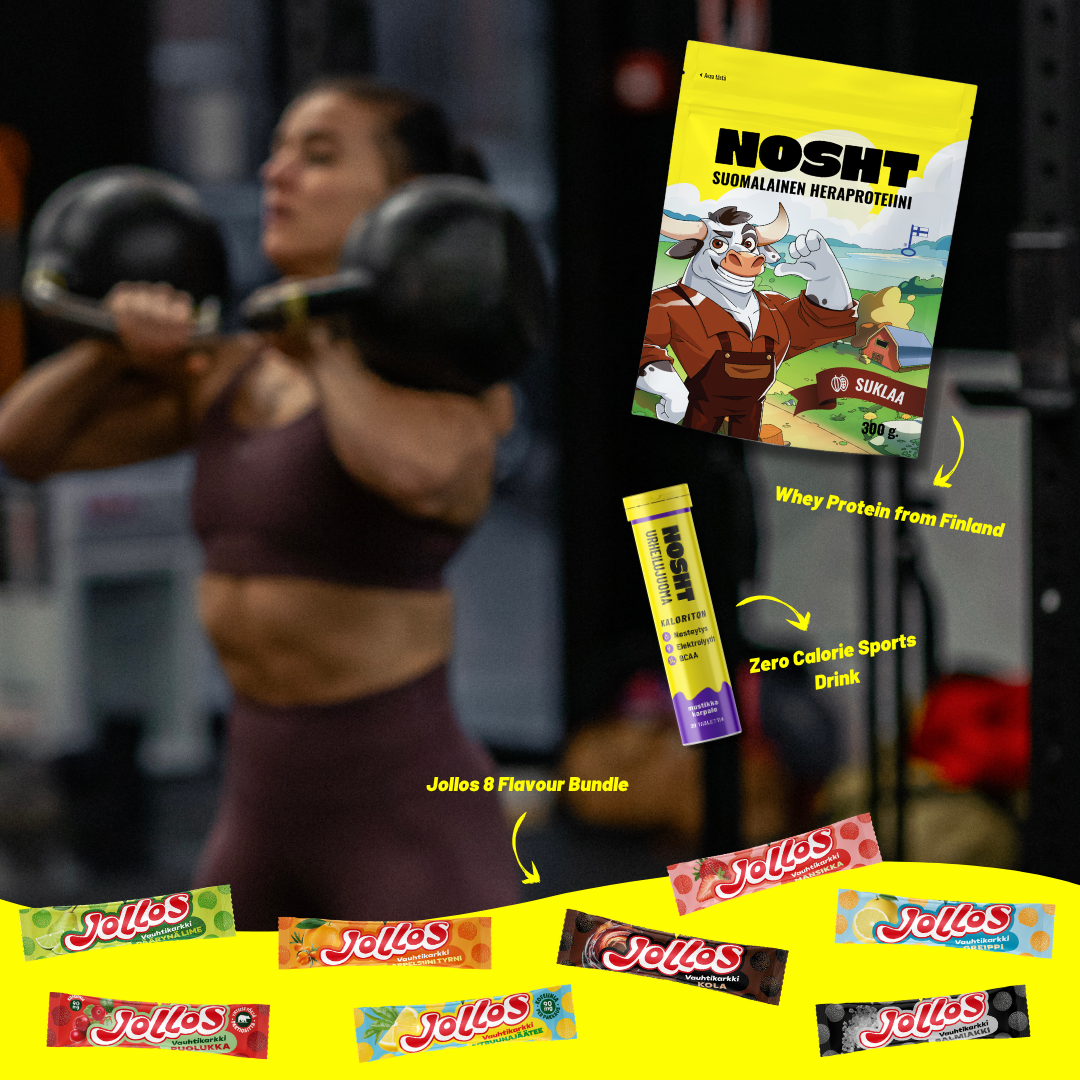
A: We have both electrolyte-rich, saltier drinks for hydration and absorption, and drinks with more carbohydrates and a more ‘juice-like’ character for quick energy during training and matches. Among Nosht’s products, we have used Sports Drink Lemon and High-Energy Sports Drink Cola.
Q: How do players use Nosht Sports Drink and High-Energy Sports Drink in different situations? Do you notice differences in how players respond to the energy content or sweetness?
A: Nosht Sports Drink is used on both training and match days.
Players have their own habits when it comes to caffeine — some do not use the caffeinated High-Energy Sports Drink at all, while others make it part of their match-day routine.
Tastes differ: some find the drink too sweet, others just right or even weak.
Putting it into practice and monitoring
Q: How do you monitor hydration and energy intake, particularly during congested match schedules?
A: Monitoring is challenging, and the ultimate responsibility lies with the athlete. Of course, we help optimise fluid and energy amounts if a player asks. We also give regular reminders about these things.
Q: How much of your product feedback comes from players, and how do you use it?
A: Feedback from players is a central part of the selection process. Partnerships give us products to test, but the most important thing is that everyone has options they like and that work for them — so that nutrition or hydration does not suffer because of poor choices on offer.
To finish
Q: How do natural ingredients and the absence of additives influence your choices?
A: It is an important criterion for us. Additives often do not suit sensitive stomachs, so we want to offer options that are as natural as possible.
Q: What is the most important thing you have learned about nutrition in elite sport?
A: An optimised diet and adequate energy intake can significantly improve performance, speed up recovery and support the development of physical attributes. Many people still have room for improvement here — even at professional level.
Q: What makes a sports drink ‘KalPa-approved’?
A: Quality nutrients relevant to the athlete, a good taste and reliable, safe manufacturing — assurance that prohibited substances are not handled in the same facilities.
Pick up KalPa’s favourite products here!
Nosht Sports Drink
Nosht High-Energy Sports Drink
Jollos Energy Chews